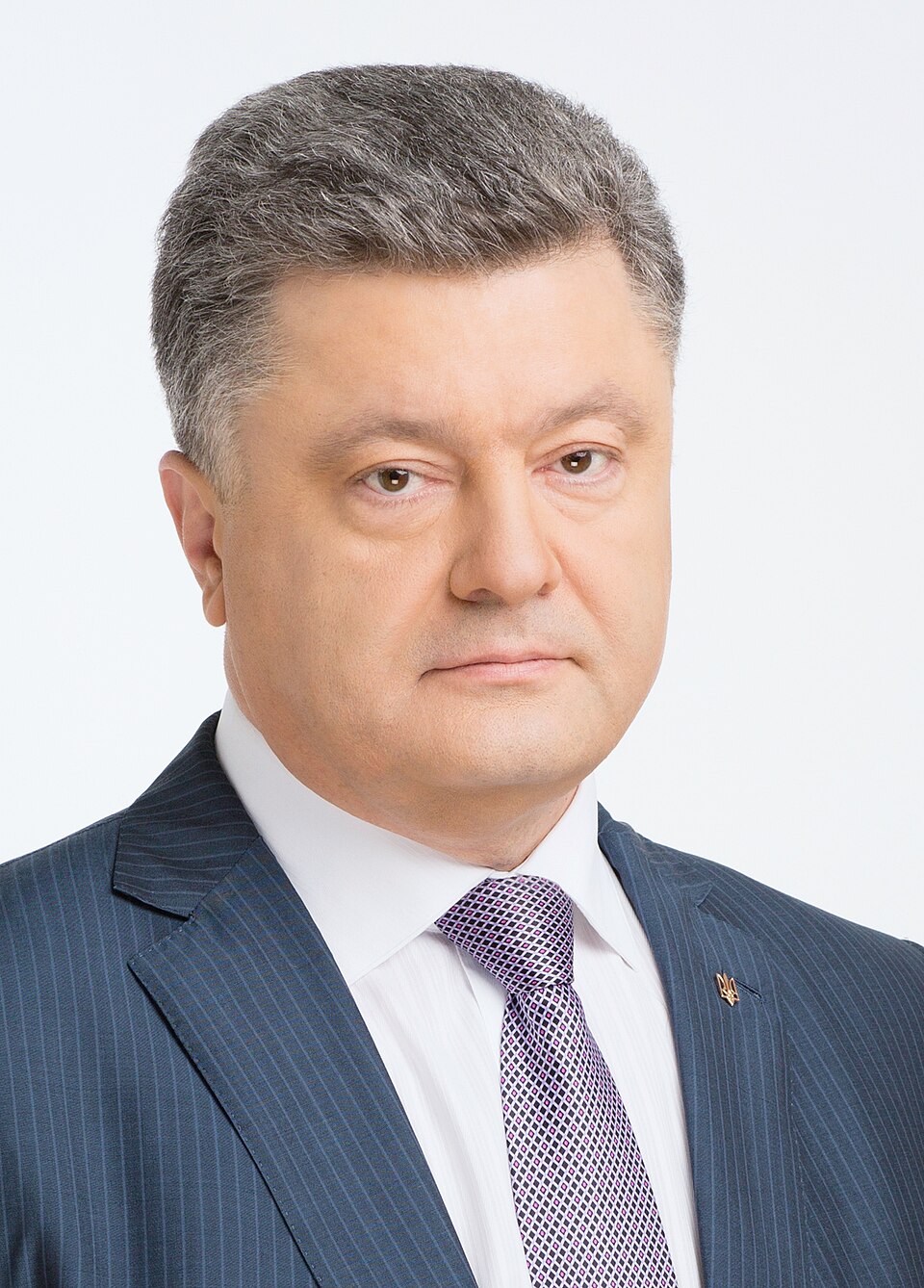
Petro Poroshenko Net Worth: Unpacking the Billion-Dollar Empire of Ukraine's Chocolate King
When discussing prominent figures who have carved out significant influence in both business and politics, Petro Poroshenko invariably comes to mind. Widely recognized as Ukraine's "Chocolate King," his remarkable journey from a budding entrepreneur to a formidable political leader has captivated global attention. This article delves into the origins of his considerable fortune, exploring the foundations of his business empire and the intricate interplay between his financial success and political ascent, with a particular focus on the reported Petro Poroshenko net worth of $1.3 billion as of March 2014.
Understanding the wealth of figures like Poroshenko offers a unique lens into the economic and political landscapes of nations like Ukraine. It's a story of astute business acumen, strategic market dominance, and an ambitious drive that transcends conventional boundaries. While the reported figure reflects his financial standing nearly a decade ago, it serves as a critical benchmark for analyzing the scale of his achievements before his most prominent political roles.
The Sweet Beginnings: From Cocoa Beans to Confectionery Giant
Every empire has its origin story, and for Petro Poroshenko, it began not in a boardroom, but with the humble cocoa bean. His initial foray into the business world was marked by trading these raw materials, a seemingly modest start that laid the groundwork for a confectionery behemoth. This early entrepreneurial experience provided him with invaluable insights into the intricacies of the food industry supply chain, market dynamics, and the art of negotiation – skills that would prove crucial in his future endeavors.
The money earned from his cocoa bean trading ventures was reinvested strategically, not into more trading, but into acquiring tangible assets: confectionery plants. This pivotal shift from commodity trading to manufacturing marked the true genesis of his empire. By purchasing multiple production facilities, Poroshenko was not just entering the market; he was consolidating power and laying the groundwork for vertical integration. This aggressive expansion culminated in 1995 with the unification of these acquired plants under a single, powerful brand: Roshen.
Roshen quickly became synonymous with quality and innovation in the Ukrainian confectionery market. Poroshenko's vision wasn't just about making candy; it was about building a modern, efficient, and competitive enterprise capable of challenging established players. This foundational period demonstrates a keen understanding of scale and branding, turning disparate factories into a cohesive manufacturing group with significant market reach. The ability to identify opportunities, reinvest profits wisely, and execute a consolidation strategy is a hallmark of successful empire-building. For a deeper dive into this initial phase, read From Cocoa Beans to Roshen: Petro Poroshenko's Rise to $1.3 Billion.
Roshen: The "Chocolate King's" Crown Jewel and European Ambitions
Roshen Confectionery Corporation is not merely a collection of factories; it is the undisputed crown jewel of Petro Poroshenko's business empire and the primary engine behind his considerable wealth. The moniker "Chocolate King of Ukraine" is a direct testament to Roshen's dominant position within the country's sweet treats market. The company produces an astonishing array of chocolates, candies, biscuits, wafers, cakes, and other confectionery products, catering to a vast consumer base both domestically and internationally.
What sets Roshen apart is its commitment to continuous expansion and modernization. The company has consistently invested in state-of-the-art production technologies, ensuring high-quality output and efficient operations. This relentless pursuit of excellence has allowed Roshen to maintain a competitive edge, even amidst fluctuating economic conditions. Beyond its domestic stronghold, Roshen has demonstrated clear ambitions for international growth. The context highlights a strategic move to expand its footprint in Europe, evidenced by the acquisition of a confectionery in Hungary. This step is indicative of a broader strategy to diversify markets, leverage European consumer trends, and potentially mitigate risks associated with reliance on a single national market.
Building a successful confectionery giant like Roshen involves several key elements:
- Brand Recognition: Creating a strong, recognizable brand that resonates with consumers.
- Product Diversification: Offering a wide range of products to appeal to different tastes and segments.
- Quality Control: Maintaining consistent product quality to build consumer trust and loyalty.
- Supply Chain Management: Efficiently sourcing raw materials and distributing finished goods.
- Strategic Expansion: Identifying and capitalizing on new market opportunities, both domestically and internationally.
Beyond Business: Petro Poroshenko's Political Trajectory and Dual Path
Petro Poroshenko's career path is uniquely defined by a compelling dual existence: a highly successful businessman and a prominent politician. His journey into the political arena began relatively early and continued concurrently with his business ventures for many years, highlighting a strategic and ambitious nature that sought influence beyond economic dominion. His political roles have been significant and varied, reflecting a deep engagement with Ukrainian governance and international relations.
Prior to his most high-profile political office, Poroshenko served as the head of the Council of the National Bank of Ukraine from February 2007 to March 2012. This position provided him with invaluable experience in monetary policy, financial regulation, and economic governance, giving him a profound understanding of the country's fiscal health and challenges. Before that, he held the esteemed position of Minister of Foreign Affairs, a role that placed him at the forefront of Ukraine's diplomatic efforts and international relations. This experience undoubtedly sharpened his negotiation skills and broadened his global perspective, essential attributes for any national leader.
In 2012, Poroshenko further solidified his political presence by becoming a member of the Ukrainian Parliament. This parliamentary role allowed him to directly participate in legislative processes and influence domestic policy-making. The context also notes his announcement of a plan to run for mayor of Kiev, the capital of Ukraine, signaling his ambition for executive leadership even at the municipal level. While the provided context ends in March 2014, it's crucial for a complete picture to acknowledge that this period directly preceded his successful presidential campaign later that year, where he ascended to the highest office in Ukraine. This progression underscores a consistent drive towards greater political power and influence.
The interplay between his business empire and political career is a complex subject. On one hand, his vast financial resources and business acumen provided a strong platform for political campaigns and allowed him to operate with a degree of independence. On the other hand, holding public office inevitably brought scrutiny to his business dealings and raised questions about potential conflicts of interest. Managing this dual path required immense strategic skill and careful navigation, demonstrating his unique capability to operate effectively in both high-stakes environments. For further insights into this fascinating convergence, explore Petro Poroshenko's Dual Path: Business Success and Political Influence.
Deconstructing the $1.3 Billion Fortune: A Snapshot from 2014
The reported Petro Poroshenko net worth of $1.3 billion as of March 2014, according to Forbes, paints a picture of a truly self-made billionaire. It's important to contextualize this figure: it represents his wealth *before* he became President of Ukraine, a period often associated with divestment pressures and public scrutiny for high-profile political figures. This wealth was primarily a direct result of his expansive business interests, predominantly Roshen Confectionery Corporation.
The valuation of such a fortune involves a complex assessment of various assets:
- Roshen Confectionery Corporation: As the primary asset, its market value, profitability, and growth potential would form the largest component of his net worth. This includes its factories, intellectual property, brand value, and international operations.
- Other Business Interests: While Roshen is highlighted, successful entrepreneurs often have diversified portfolios. Poroshenko had other investments in media, finance, and agriculture over the years, which would contribute to his overall wealth.
- Real Estate and Personal Holdings: High-net-worth individuals typically own significant real estate portfolios, luxury assets, and financial instruments like stocks and bonds.
However, wealth is rarely static. The $1.3 billion figure from 2014 serves as a historical benchmark. Factors such as economic downturns, geopolitical events (like the conflict in Ukraine), changes in consumer preferences, and political decisions can significantly impact a fortune. Furthermore, public office often necessitates placing assets in blind trusts or selling them to avoid conflicts of interest, which could alter the structure and value of a leader's wealth. While we cannot provide an updated figure without external, current data, understanding the components of his 2014 valuation helps illustrate the magnitude of his pre-presidential business achievements and the foundations of his petro poroshenko net worth.
Conclusion: The Enduring Legacy of Ukraine's Chocolate King
Petro Poroshenko's story is a compelling narrative of ambition, strategic thinking, and the relentless pursuit of success, both in the cutthroat world of business and the complex arena of politics. From his humble beginnings trading cocoa beans to building the formidable Roshen confectionery empire, and subsequently navigating the highest echelons of Ukrainian power, his journey has been nothing short of extraordinary. The reported Petro Poroshenko net worth of $1.3 billion in March 2014 underscores the impressive scale of his entrepreneurial achievements, establishing him as one of Ukraine's most influential and wealthiest figures before his presidency.
His dual identity as the "Chocolate King" and a prominent politician highlights a unique ability to excel in vastly different domains, leveraging business acumen for political gain and vice-versa. While the financial figures may have fluctuated since 2014 due to economic shifts and his political divestments, the foundation of his wealth – the innovative spirit and strategic growth of Roshen – remains a testament to his indelible impact on Ukraine's economy. Petro Poroshenko's legacy is thus multifaceted: a testament to entrepreneurial prowess, a chronicle of political ambition, and a symbol of the dynamic interplay between wealth and power in modern Ukraine.
